

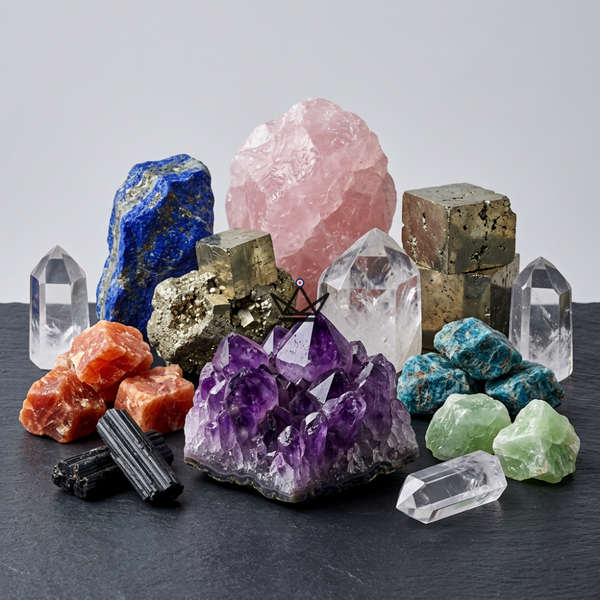
Raw collectible minerals, pack of 4 stones of your choice or 100 g bag — LITHOS
Tax included
In the box
- Pack: 4 raw minerals chosen from 19
- Or 100 g bag of the same mineral
All you need to know
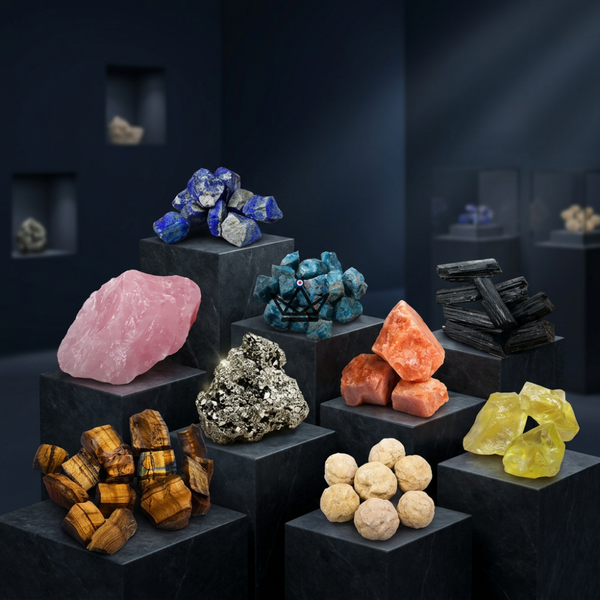
Mineralogy Raw stones Striated prism tourmaline, blue blade kyanite, metallic-sheen pyrite, image-doubling calcite, and ultraviolet-glowing yooperlite: LITHOS brings together 19 collectible raw minerals, chosen for their diverse colors, shapes, and geological histories. Each specimen is delivered in its natural, unpolished state, just as it comes from the rock, with its edges, crystal faces, and irregularities. Two formats are available: a pack of 4 stones of your choice, which you can assemble yourself from the 19 minerals to start or complete a collection, or a 100 g bag of a single mineral to compare several specimens or fill a display case. Designed in the spirit of a cabinet of curiosities, this assortment is for mineralogy enthusiasts, curious families, teachers, and decorators alike: it teaches you to recognize hardness, luster, and a chemical family. A collection that grows stone by stone, transforming a shelf into a miniature Earth science gallery.
The 19 minerals and 2 formats
Reading a stone like a mineralogist
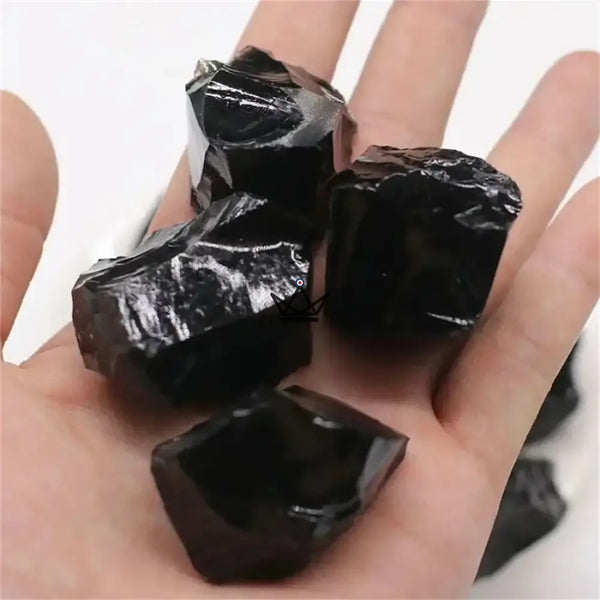
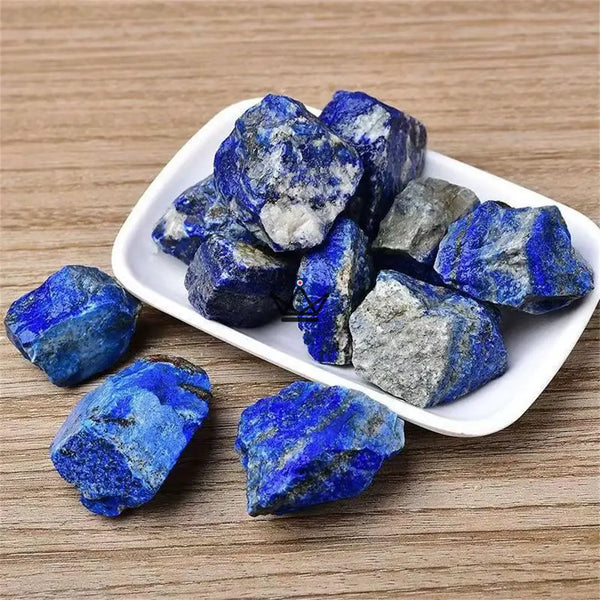
A mineral is a natural solid with a defined chemical composition, whose atoms are most often arranged in a regular crystal lattice. A rock, on the other hand, is an assemblage of several minerals: lapis lazuli, yooperlite, and shungite are examples. Obsidian, finally, is a natural glass: lava cooled so quickly that its atoms did not have time to arrange themselves.
To identify them, geologists observe color (which is often misleading), luster (vitreous, metallic, silky), crystal form, cleavage, and especially hardness, measured on the Mohs scale from 1 (talc) to 10 (diamond). In this selection, calcite (3) and apatite (5) are two of the ten reference minerals on the scale, as are quartz (7) and corundum (9): just enough to perform real scratch tests at home.
Why you will love it
The cabinet of curiosities, mineral edition
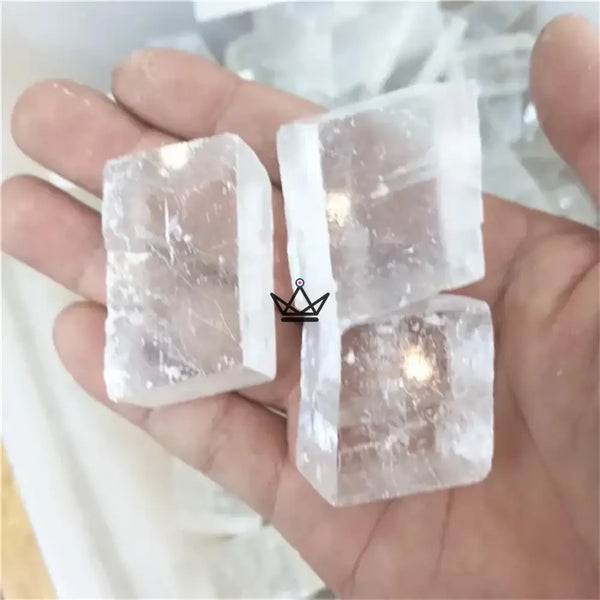
In the 18th century, enlightened enthusiasts kept stones from all corners of the world in drawer cabinets, carefully labeled. They observed the geometry of the crystals, compared colors, and marveled that a simple fragment of Iceland spar doubled the writing placed beneath it. LITHOS revives this collector's pleasure.
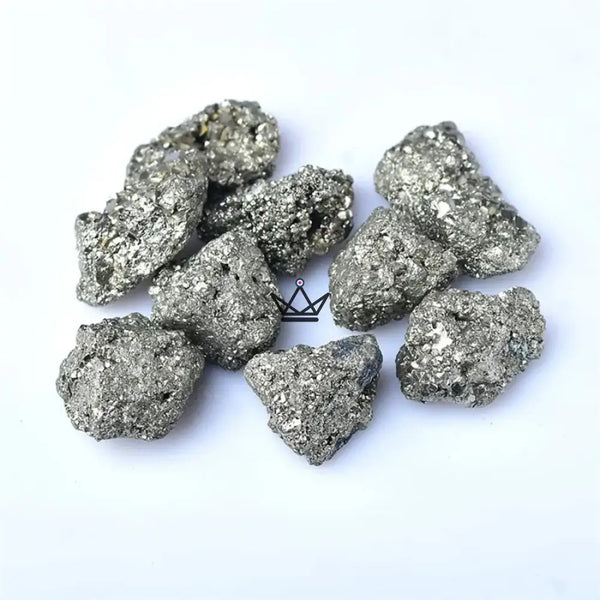
Each stone is a fragment of Earth's history. Obsidian was born from a lava flow frozen in moments; amethyst crystallized slowly in a cavity; pyrite took the form of almost perfect cubes within iron-rich rocks; kyanite bears witness to the intense pressures that prevail deep within mountain ranges. Holding them in your hand brings millions of years down to the scale of a palm.
Arranged in a bowl, lined up on a shelf, or organized in a compartment box, these raw stones create a mineral display that is both natural and scholarly, inviting you to ask questions and seek answers.
Build your collection in 4 steps
Mineralogical reference points: the 19 stones at a glance
| Mineral | Nature | Hardness (Mohs) | To observe |
|---|---|---|---|
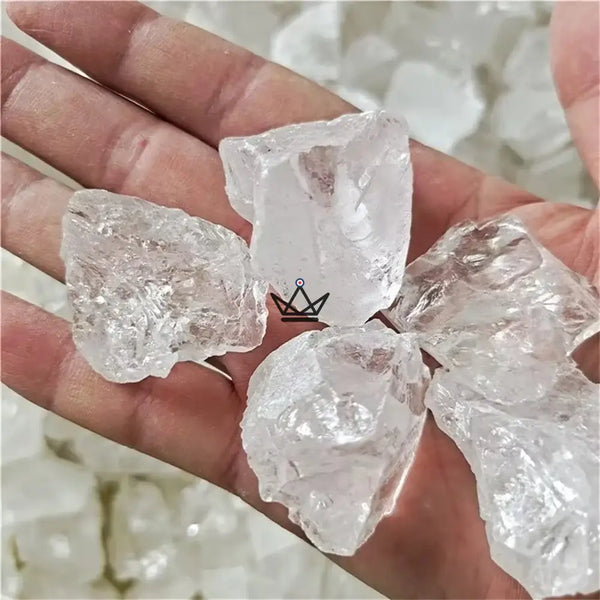
| Rock crystal | Colorless quartz | 7 | Six-sided prisms, transparency |
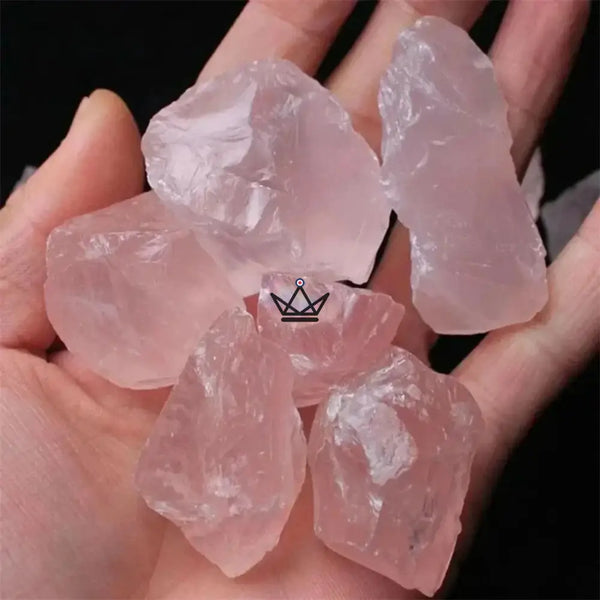
| Rose quartz | Quartz | 7 | Milky pink hue |
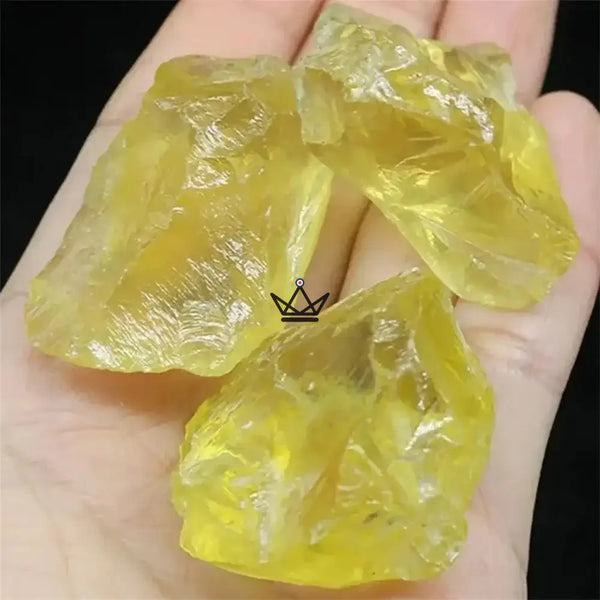
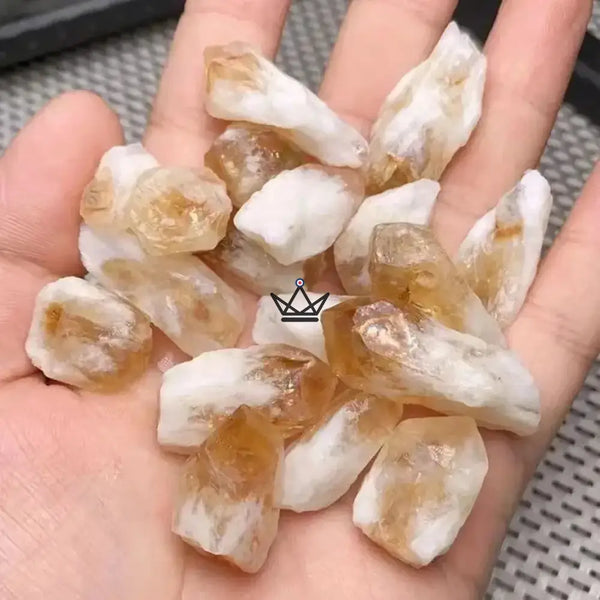
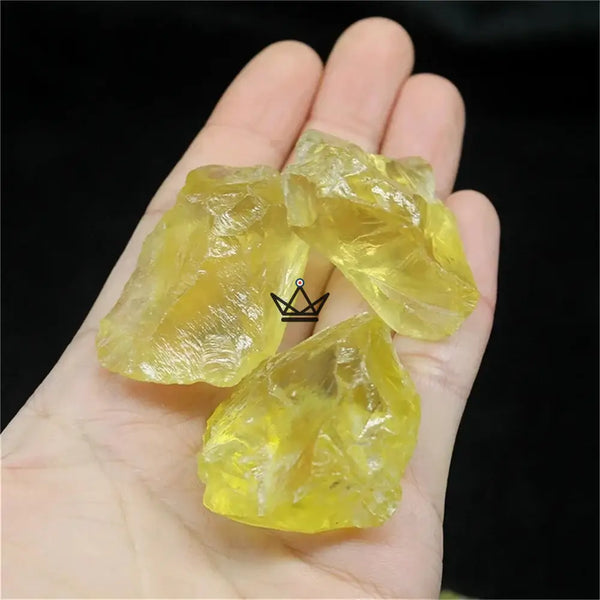
| Yellow quartz | Quartz | 7 | Pale yellow to white points |
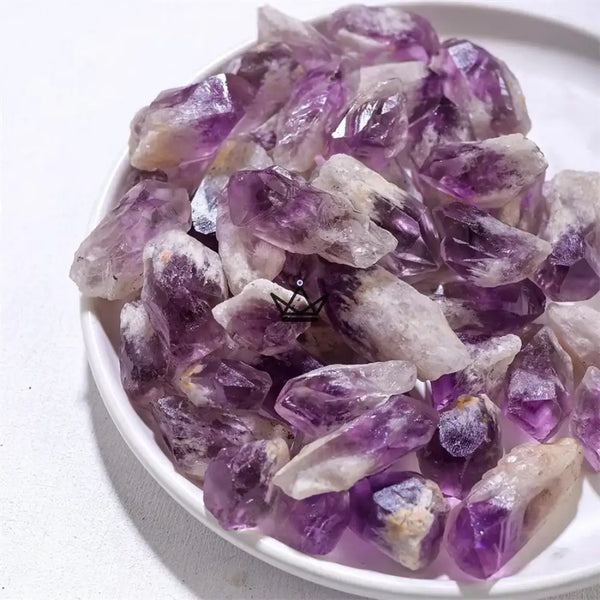
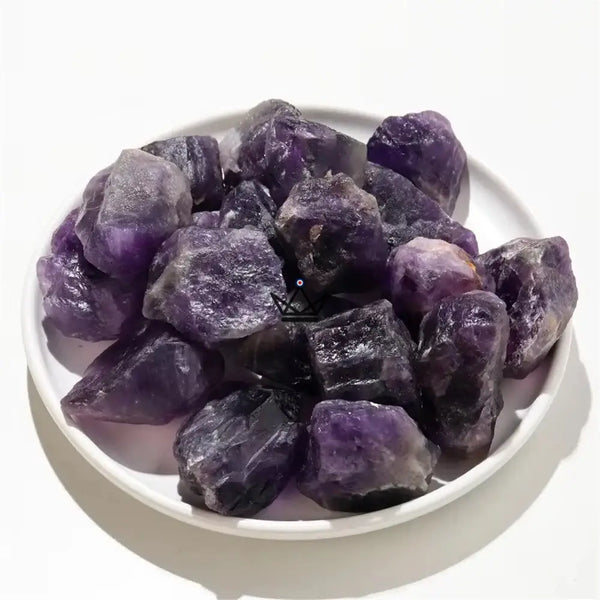
| Raw amethyst · Amethyst points | Purple quartz | 7 | Purple color, crystalline points |
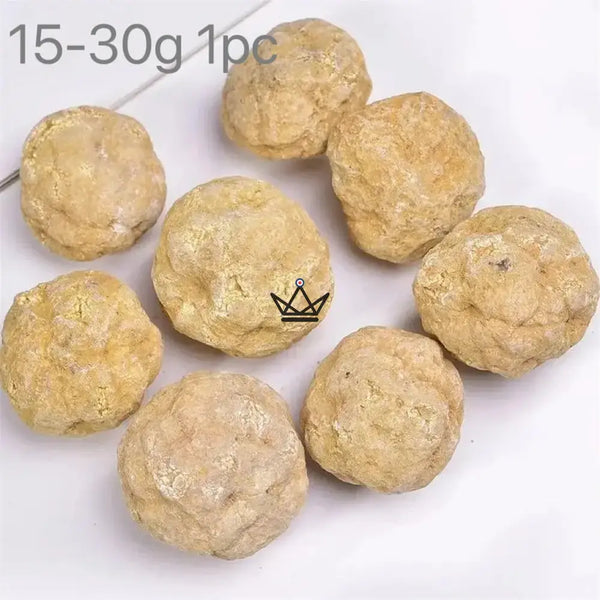
| Agate geode | Chalcedony (microcrystalline quartz) | 6.5 to 7 | Closed shell, formed in a cavity |
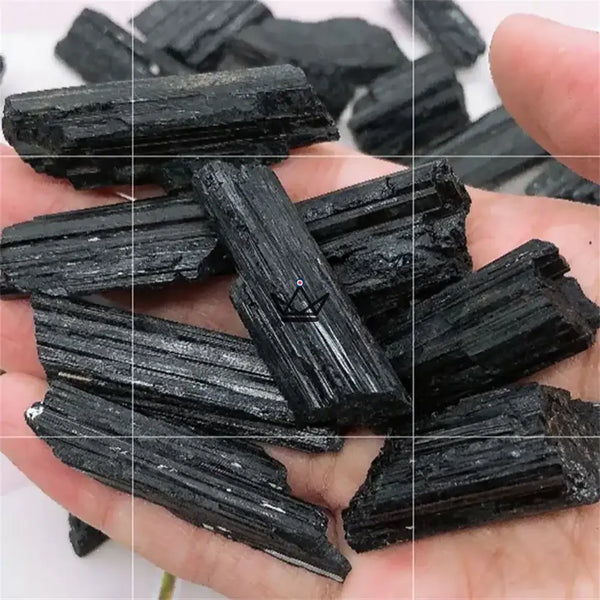
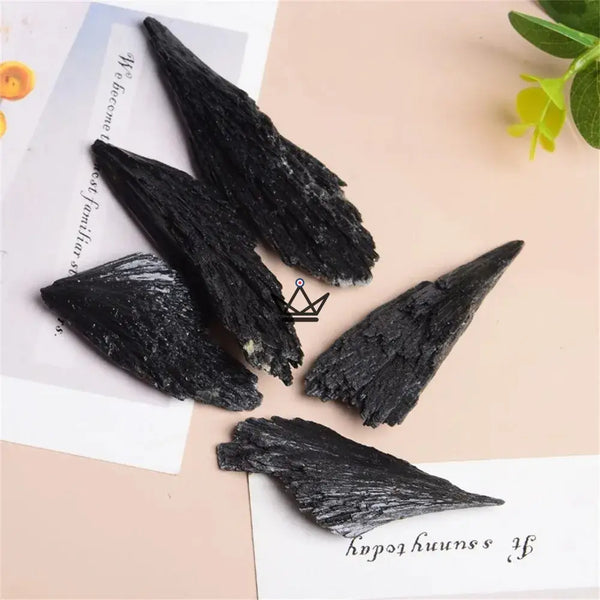
| Black tourmaline · Black tourmaline blades | Silicate (borosilicate) | 7 to 7.5 | Prisms striated lengthwise |
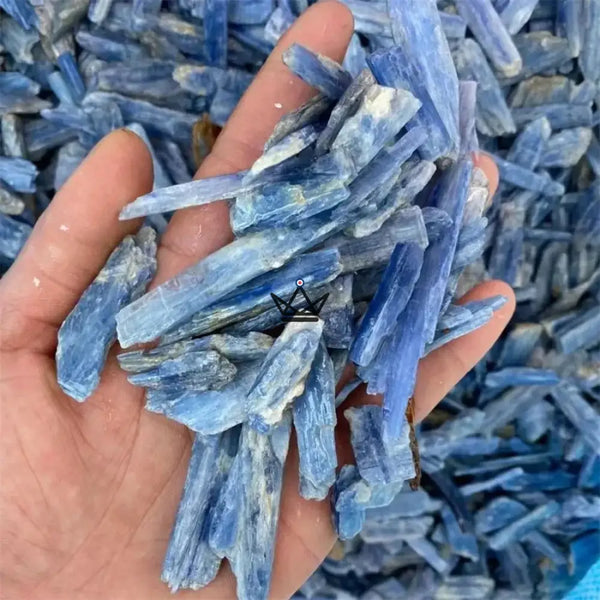
| Blue kyanite | Aluminum silicate | 4.5 to 7 depending on the direction | Blue blades, variable hardness |
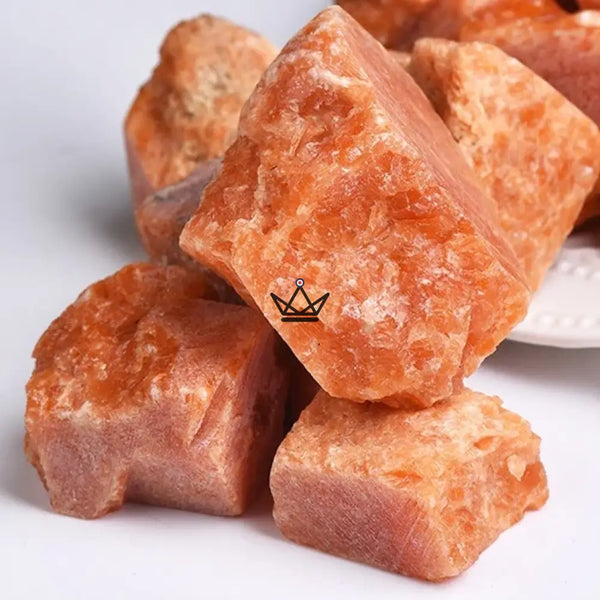
| Sunstone | Feldspar | 6 to 6.5 | Sparkling reflections |
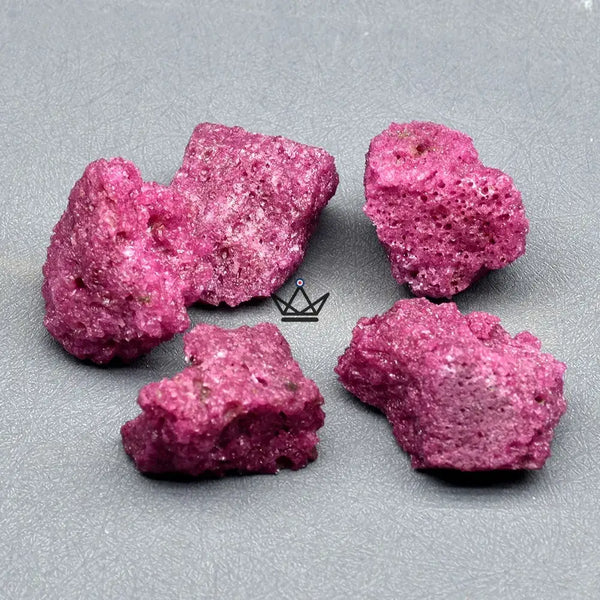
| Red corundum | Aluminum oxide | 9 | Pink-red hue, great hardness |
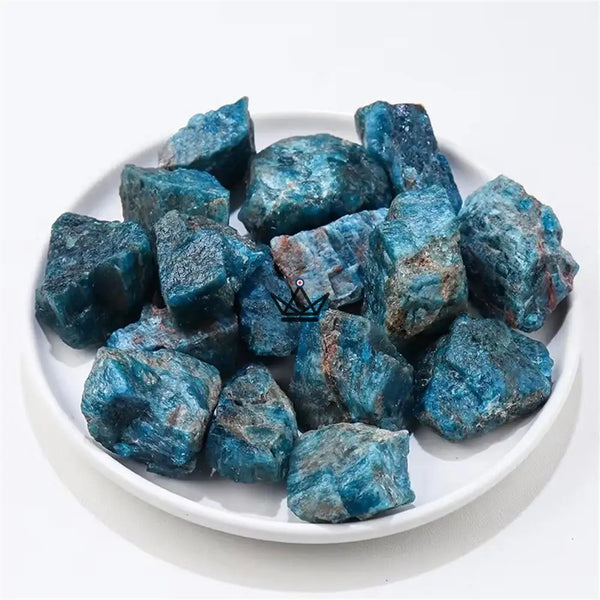
| Blue apatite | Calcium phosphate | 5 | Mohs reference mineral |
| Optical calcite | Calcium carbonate | 3 | Double refraction |
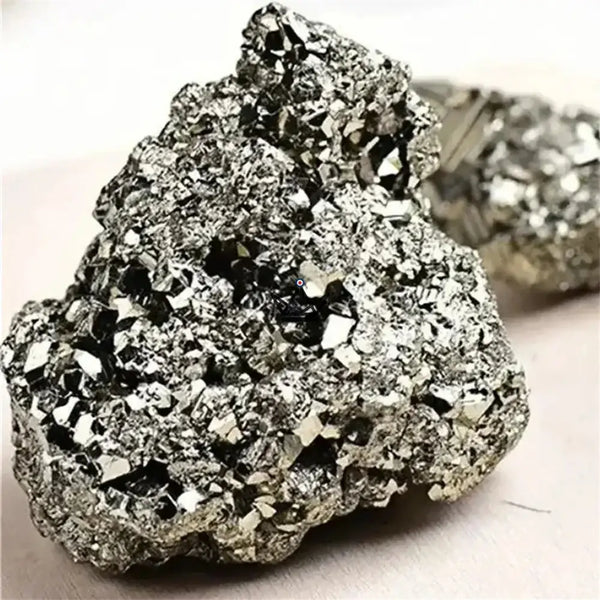
| Pyrite | Iron sulfide | 6 to 6.5 | Golden metallic luster, cubic faces |
| Lapis lazuli | Rock (lazurite, calcite, pyrite) | 5 to 5.5 | Deep blue, golden specks |
| Obsidian | Volcanic glass | 5 to 5.5 | Conchoidal fracture, vitreous luster |
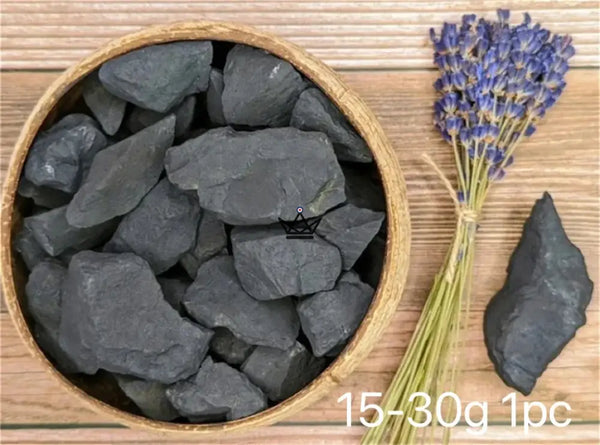
| Shungite | Black carbon-rich rock | Variable | Matte to semi-glossy black appearance |
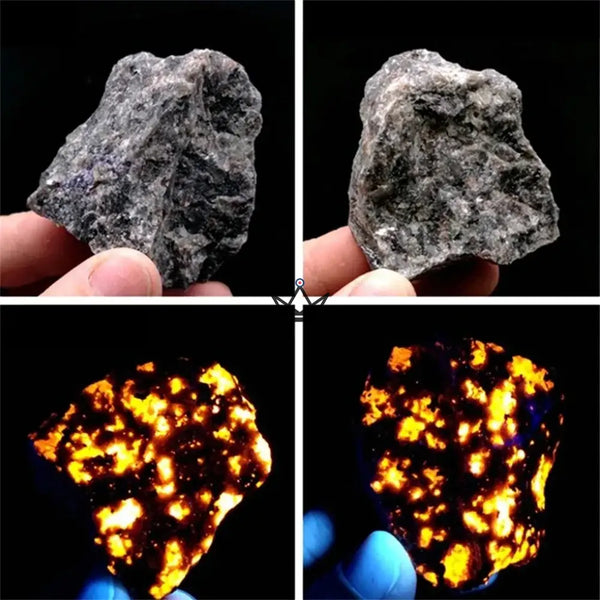
| Yooperlite (UV fluorescent) | Sodalite syenite | Approximately 5.5 to 6 | Bright orange spots under UV |
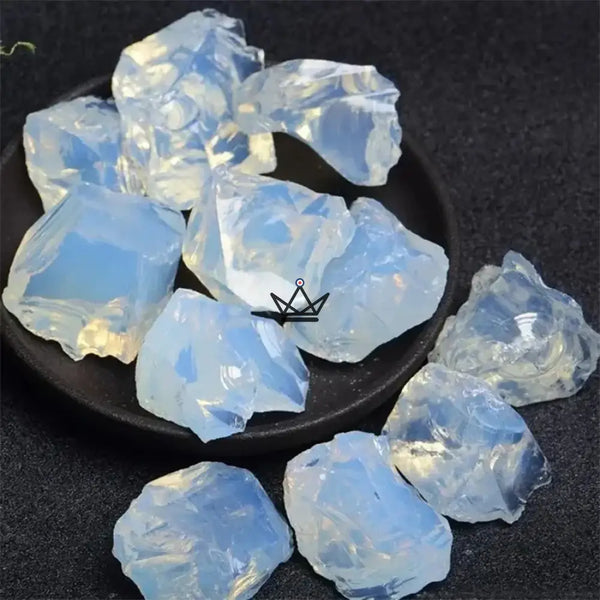
| Opalite | Opalescent glass (synthetic) | Approximately 5.5 | Bluish or orange reflections |
Good to know: these stones are raw natural specimens: each piece is unique, and its shape, size, hue, and appearance may differ from the photos. The 100 g bag is an approximate weight (approximately 95–105 g) and contains several fragments of varying sizes. Opalite is not a natural mineral but man-made opalescent glass: we state this with full transparency. These stones are offered as collectibles, decorative items, and tools for discovering Earth sciences.
Tip: to reveal the fluorescence of yooperlite, illuminate it in the dark with a long-wave UV lamp (365 nm, not included). For optical calcite, place it on a line of text: the writing will appear doubled. And for a fun hardness test, try to scratch a pane of glass: quartz can do it, calcite cannot. Then store the stones in a compartment box so they do not scratch each other.
Technical specifications
| Product type | Collectible raw minerals |
| Model name | LITHOS |
| Minerals offered | 19 (see module above) |
| Formats | Pack of 4 stones · 100 g bag |
| Pack composition | 4 minerals of your choice from 19, duplicates allowed |
| Bag weight | Approximately 95–105 g |
| Stone size | Not specified (varies by specimen) |
| Finish | Raw, unpolished |
| Material | Natural stone; opalite = synthetic glass |
| Appearance | Shape, hue, and size unique to each piece |
| Use | Collection, decoration, education |
| Care | Dust with a soft brush or dry cloth |
| Universe | The Lab, minerals and chemistry |
Precautions: these stones are not edible and must be kept out of reach of young children (small pieces, choking hazard). Pyrite (iron sulfide) can release dust: do not grind it, do not put it in your mouth, and wash your hands after handling. Obsidian may have sharp edges. Some stones are fragile: optical calcite is soft and scratches easily, while kyanite cleaves into blades. Avoid soaking them in water.
A gift idea for curious minds
An amethyst bag for a birthday, a pack featuring pyrite, optical calcite, yooperlite, and obsidian for a science-loving child, or two or three packs to put together for a geology enthusiast: LITHOS has something for every interest and budget. It is also a lovely end-of-year gift for a life and earth sciences teacher.
To create a more comprehensive set, pair a few stones with other finds from our minerals and chemistry collection, or explore all our scientific items from the Lab. And for lovers of beautiful materials, our selection of decorative items offers other pieces to display alongside them. To expand the collection, also discover our 100 g bag of raw malachite, with its characteristic copper-green banding.
Frequently Asked Questions
Are the stones natural?
Yes for 18 of the 19 materials offered: tourmalines, quartz, amethysts, corundum, apatite, lapis lazuli, agate, obsidian, sunstone, optical calcite, pyrite, kyanite, shungite, and yooperlite are raw natural stones, not polished. The only exception is opalite: despite its name, it is a man-made opalescent glass, prized for its blue reflections on a dark background and orange hues when backlit. We prefer to state this clearly, as many sellers present it as a stone. It remains interesting in an educational collection, precisely because it teaches how to distinguish a natural mineral from a synthetic material.
What is the difference between the 4-stone pack and the 100 g bag?
The 4-Stone Pack brings together four raw specimens that you choose yourself from the 19 minerals: ideal for starting a collection, comparing different families, or giving a personalized selection. The 100 g Bag contains several fragments of the same mineral, with a total weight of approximately 95 to 105 g. The number of stones in the bag depends on their size, which varies from one harvest to another: it is therefore not fixed. The bag is well suited for comparing several specimens, creating a decorative bowl, sharing stones among children during a workshop, or filling a display case.
How do I put together my 4-stone pack?
First, select the 4-Stone Pack format, then choose your four minerals from the menus that appear below the format selector, one stone per menu. The 19 minerals in the collection are offered in each menu, and you can choose the same one several times: two amethysts and two pyrites, for example, or four different stones to cover several families. For a first pack, vary the selection: a quartz, a metallic mineral such as pyrite, an optical curiosity such as optical calcite or yooperlite, and a rock such as lapis lazuli. The size of each stone is not specified and varies from one mineral to another; if you are looking for a specific size, contact our customer service before placing your order.
What is the Mohs scale?
The Mohs scale, proposed in 1812 by mineralogist Friedrich Mohs, ranks minerals according to their scratch resistance, from 1 (talc) to 10 (diamond). A mineral scratches all those with a lower hardness. It is a relative and non-proportional scale: the difference between corundum (9) and diamond (10) is much greater than between talc (1) and gypsum (2). Several LITHOS stones are among the ten reference minerals: calcite (3), apatite (5), quartz (7), and corundum (9). You can therefore perform simple scratch tests at home.
Why does optical calcite double images?
Optical calcite, also known as Iceland spar, is a very transparent calcite that exhibits strong birefringence: a beam of light passing through it is separated into two beams that do not travel at the same speed or follow the same path. As a result, a line of writing placed under the crystal appears doubled. If you turn the stone, one of the two images rotates around the other. This phenomenon, described as early as the 17th century, played an important role in understanding the nature of light. It is one of the most spectacular experiments to perform with this collection.
Is the UV lamp for yooperlite included?
No, no UV lamp is included. Yooperlite is a gray rock that looks plain in daylight; under an ultraviolet lamp with long waves (365 nm), the sodalite grains it contains become fluorescent, creating bright orange-yellow dots and veins. The effect is more intense in a dark room. A small 365 nm UV flashlight is usually sufficient. Never look directly at the UV source or point it at your eyes. For a more generous set, there is also a dedicated yooperlite sheet in our Le Labo universe.
How do I care for and store these minerals?
A simple soft brush or dry cloth is enough to dust them. Avoid soaking them: some stones such as calcite or pyrite do not tolerate water, household products, or prolonged humidity well, and pyrite can tarnish in damp air. Store soft stones (calcite, apatite) separately from hard stones (quartz, corundum, tourmaline) to prevent scratches. A compartmented box, with a small label for each mineral, remains the ideal solution. After handling pyrite, remember to wash your hands.
